JAVA
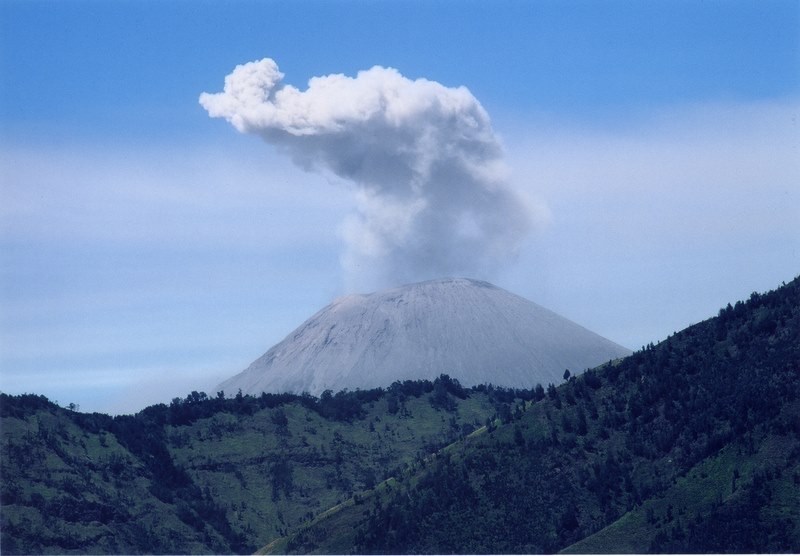
As part of the world’s Ring of Fire, Java has a rope of volcanoes and sites of seismic activity, or earthquakes. Java has thirty-eight mountains creating an east–west spine. There are more mountains and highlands that divide the inland into a chain of relatively remote regions most suitable for wet-rice cultivation making Java to have the richest rice fields in the world.
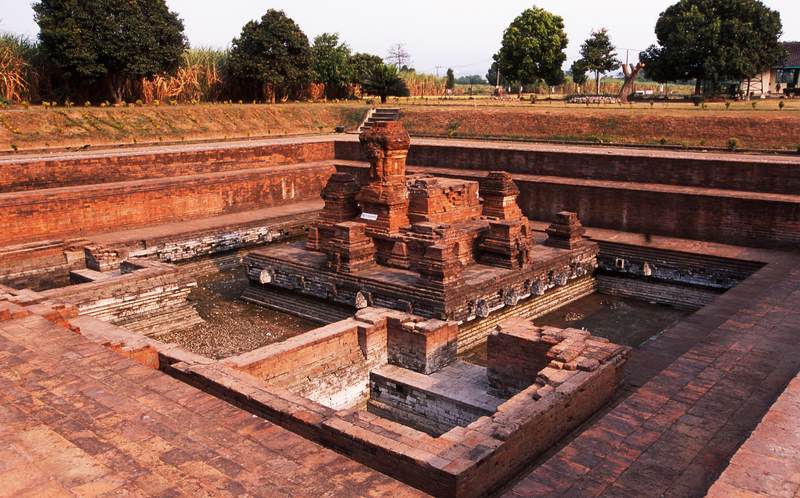
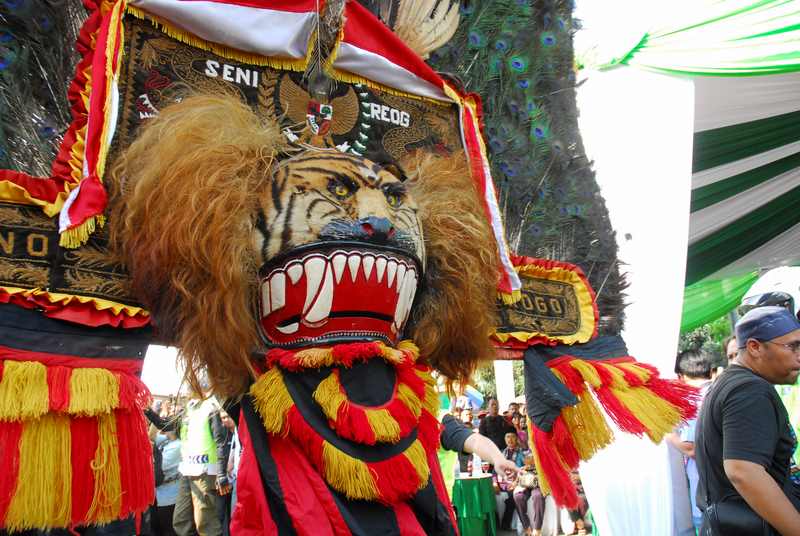
Java was a prominent site of many influential and glorious kingdoms in the Southeast Asian region. It has always been the dynamic melting pot of religions and cultures from Buddhism, Hindu, Islam to Christianity. The island is rich in historical ruins, amazing temples, astounding arts and crafts and fascinating literally works featuring the history of celebrated Javanese kings and queens and their kingdoms, legends and folklores.
Having such a massive source of inspirations, the Javanese people are immensely refined skills, especially in decorating cloth with intricately detailed designs using wax or dye called membatik and turning simple handy equipment into uniquely form of art, such as the different kinds of ani-ani, a tool to cut paddy during harvesting. They are also among the leading pioneers in the development of handcrafted Keris, which was a transitional form of an earlier dagger, since at least the mid 14th century. Keris, exposing a refined art and intricate beauty, is a definite symbol of heroism, martial competence, power and authority. This abundant wealth of heritage has been preserved and continued to inspire the next generation to make more creative designs and products that are relevant to the current trend.